Have you ever fallen in love with a carpet's design, only to wonder later whether it will actually suit your space? It happens more often than you might think. A carpet may look beautiful in a showroom or online, but the material underneath determines how it feels, how long it lasts, and how well it performs in everyday life.
That is why selecting a carpet is about much more than colour or pattern. A family with children may need something durable and easy to maintain. A hotel may look for carpets that can handle constant foot traffic while maintaining a premium appearance. Someone designing a cosy living room may simply want warmth and comfort underfoot.
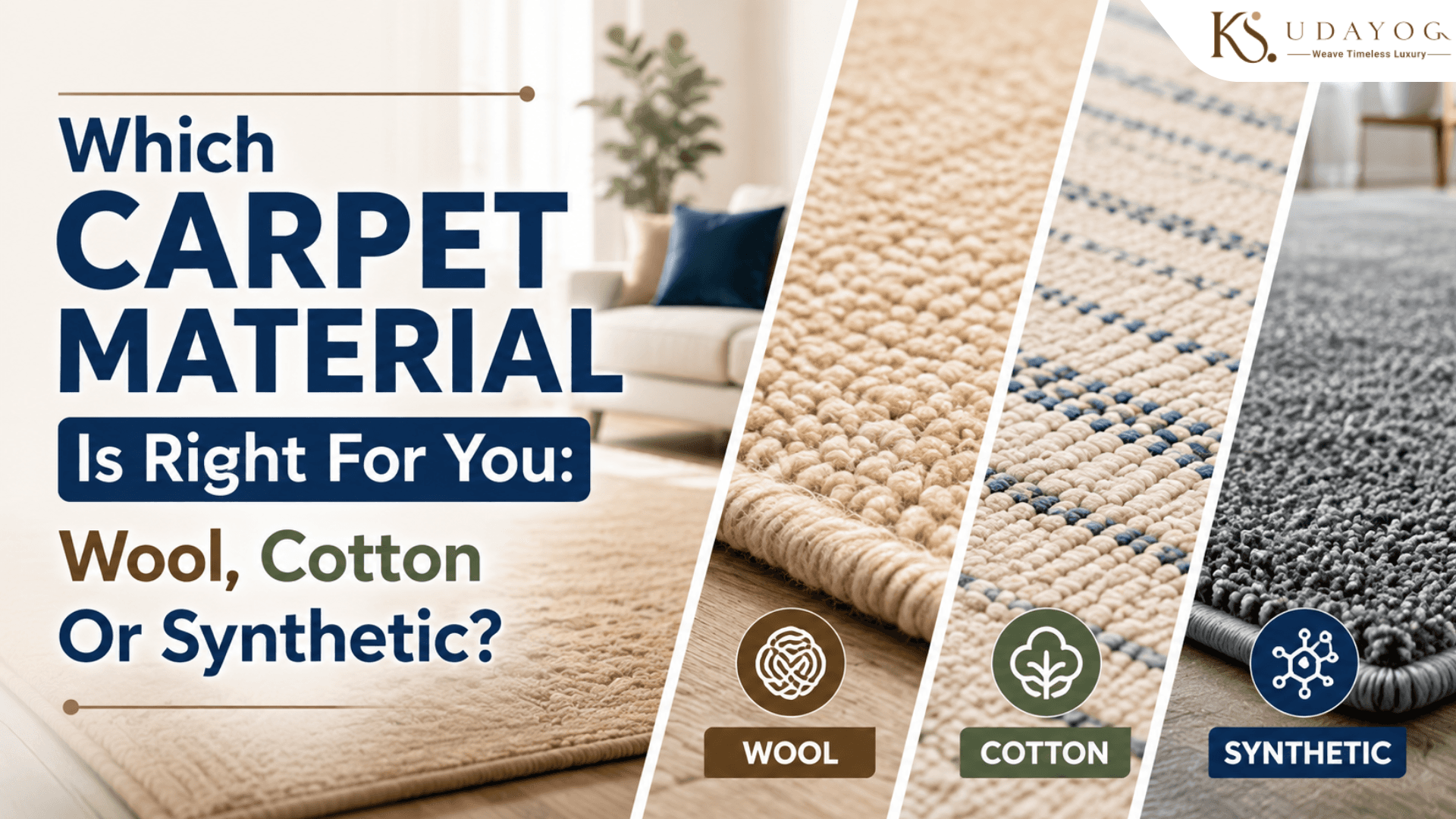
This is where the choice between wool, cotton, and synthetic carpets becomes important. Each material offers its own advantages, and none is universally better than the others. The ideal option depends on where the carpet will be used, how much maintenance you are comfortable with, and the experience you want to create.
Let's understand how these three popular carpet materials compare and which one could be the best fit for your space.
Why Carpet Material Matters More Than You Think?
A carpet is not only a layer placed over the floor. It influences how a room feels, how comfortable it becomes, and how well the space performs over time. Many buyers first look at colours, patterns, or designs because these are the things that immediately catch attention. But the material behind the carpet decides the experience you get after installation.
The fibre type affects everything from softness under your feet to how easily the carpet handles daily wear. A material that works beautifully in a quiet bedroom may not perform the same way in a busy hotel lobby or showroom.
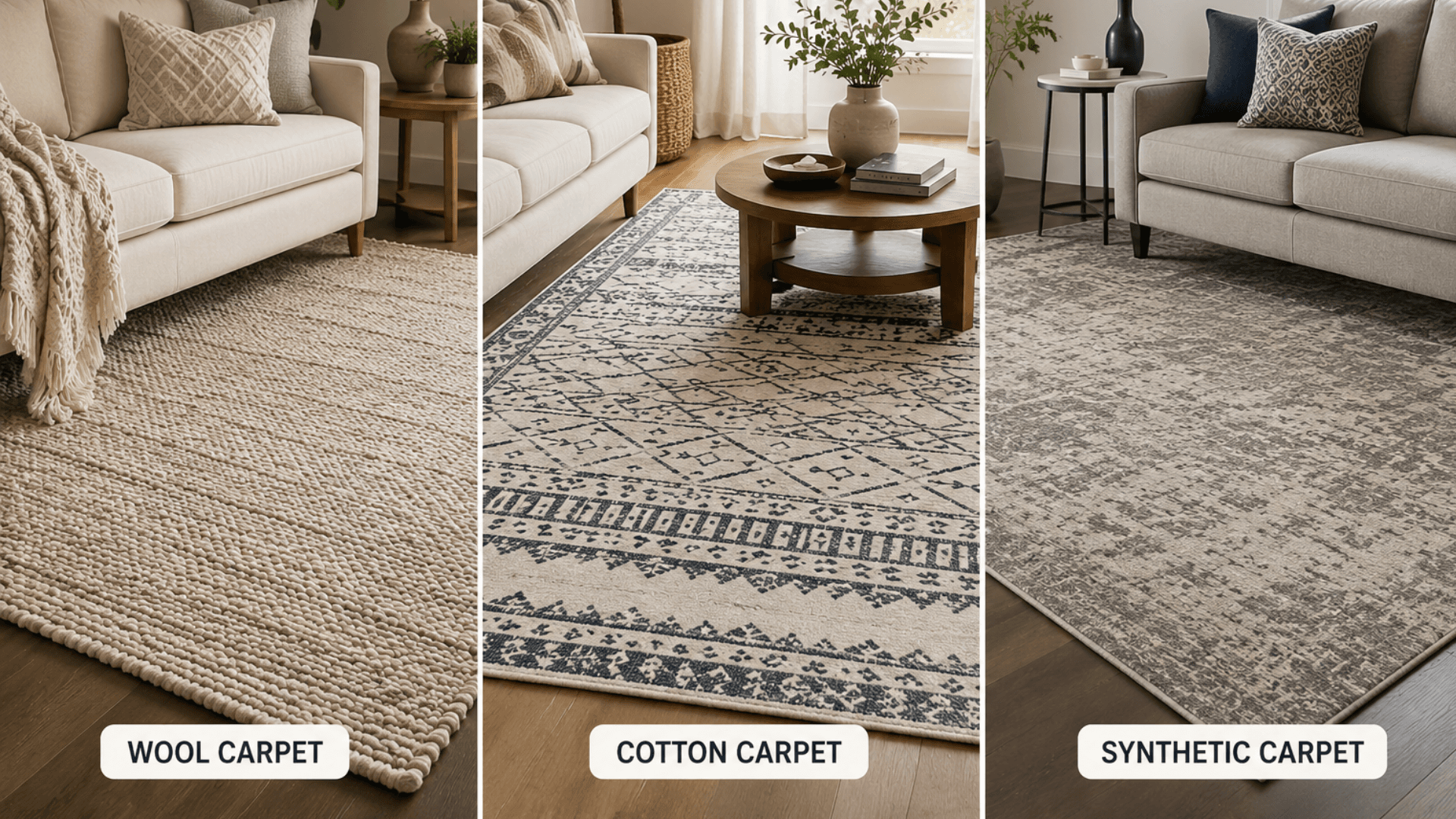
For example, wool carpets are often appreciated for their natural warmth and premium feel, while synthetic options are commonly selected for areas that require durability and easier maintenance. Cotton carpets offer a balance of comfort and versatility, making them suitable for more relaxed interiors.
The choice of material also affects cleaning requirements, lifespan, appearance retention, and overall value. A carpet is an investment, and understanding the material helps you avoid selecting a product that only looks good initially but does not match your actual needs.
Wool Carpets: A Premium Choice For Comfort And Longevity
Wool has been used in carpets for generations, and there is a reason it continues to be preferred for premium interiors. As a natural fibre, wool offers a unique combination of softness, durability, and warmth that is difficult to replicate.
When you walk on a wool carpet, the first thing you notice is the comfortable feel underfoot. The natural structure of wool fibres gives the carpet a soft texture while helping it maintain its shape even after years of use.
One of the biggest advantages of wool carpets is their durability. High-quality wool fibres are naturally resilient, allowing them to recover after regular foot traffic. This makes them suitable for spaces where appearance and long-term performance are equally important.
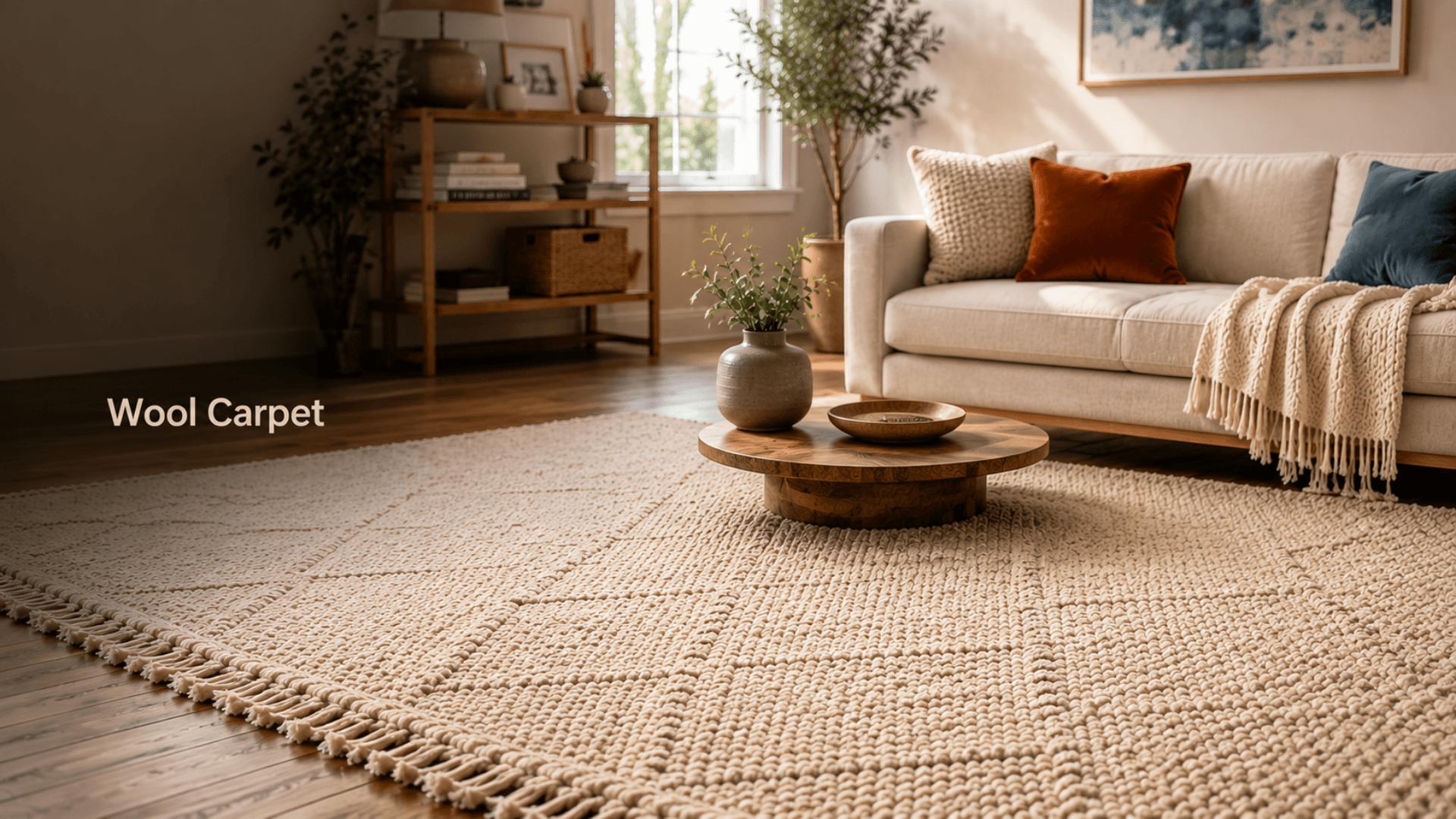
Wool also has natural insulating properties. It helps create a warmer and more comfortable environment, which is why it is often selected for luxury homes, boutique hotels, premium offices, and high-end interior projects.
Another benefit of wool is its ability to hold colour beautifully. The fibres absorb dyes effectively, allowing manufacturers to create rich shades and detailed designs that maintain their appeal over time.
However, wool carpets do require thoughtful maintenance. Since wool is a natural material, harsh cleaning methods and excessive moisture should be avoided. Regular vacuuming and proper care help preserve its texture and appearance.
For buyers looking for a carpet that combines elegance, comfort, and long-lasting value, wool remains one of the most preferred materials. It is especially suitable for spaces where the carpet is expected to add both visual appeal and a premium experience.
Cotton Carpets: Soft, Versatile, And Easy To Refresh
Cotton carpets offer a different experience compared to wool. They are known for their softness, lightweight feel, and versatility, making them a popular choice for casual and comfortable interiors.
One of the main reasons people prefer cotton carpets is their pleasant texture. They create a relaxed atmosphere and work well in spaces where comfort and a natural look are important. Bedrooms, living rooms, children’s areas, and smaller residential spaces often benefit from the simple charm of cotton carpets.
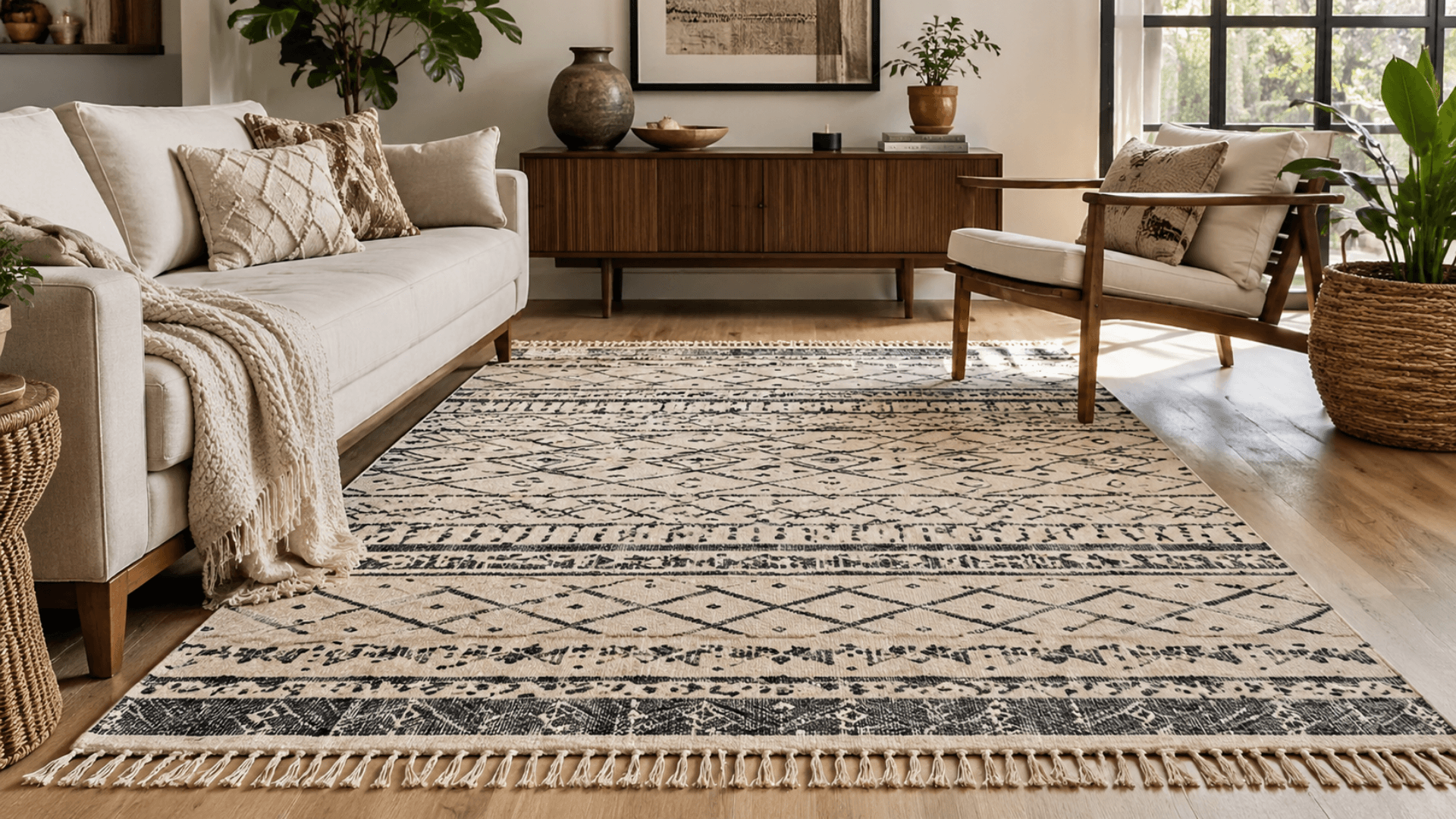
Cotton is also appreciated for its wide range of design possibilities. The fibre absorbs dyes well, allowing manufacturers to create attractive colours, patterns, and textures that suit different interior styles.
Another advantage of cotton carpets is their comparatively easy maintenance. They are generally lighter than wool carpets, making them easier to move, clean, and refresh when required. This flexibility makes them suitable for homeowners who like to update their interiors frequently.
However, cotton carpets may not be the best option for areas with extremely heavy foot traffic. Compared to wool or some synthetic fibres, cotton can show signs of wear faster when used continuously in busy commercial spaces.
For businesses such as boutique stores, guest rooms, cafés, or residential projects, cotton carpets can provide a comfortable and stylish flooring solution. They offer a balance of affordability, softness, and design flexibility for spaces that need a warm and inviting feel.
Synthetic Carpets: Practical Performance For High-Use Spaces
Synthetic carpets are designed to provide durability, easy maintenance, and cost-effective solutions for different environments. They are commonly made from fibres such as polypropylene, polyester, and nylon, each offering different performance benefits.
One of the biggest advantages of synthetic carpets is their ability to handle regular use. Their strong fibre structure makes them suitable for areas that experience higher foot traffic, such as offices, commercial spaces, hotels, and retail environments.
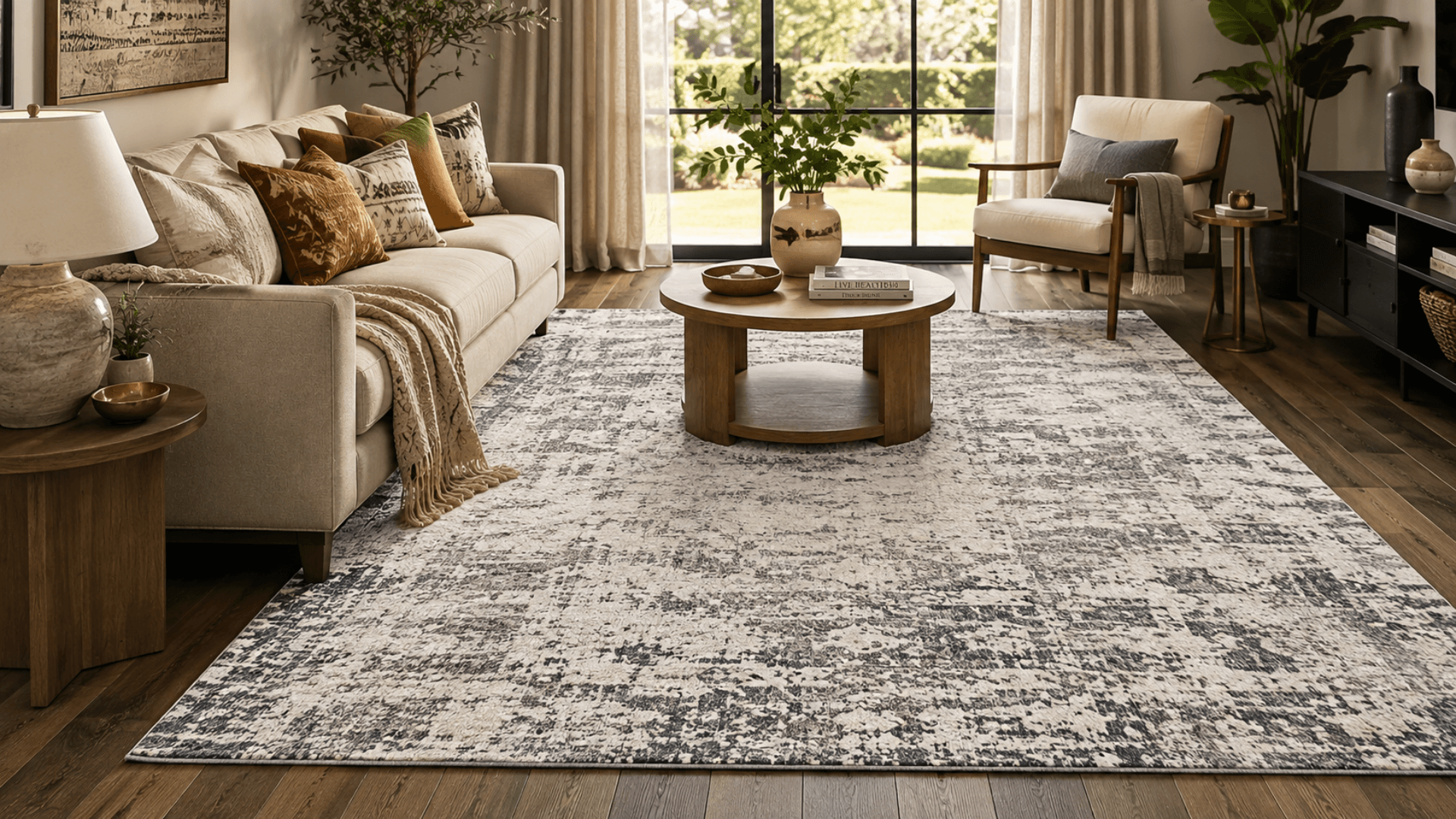
Synthetic materials are also popular because they are easier to maintain. Many options offer better resistance against stains, moisture, and daily wear, making them practical for spaces where frequent cleaning is required.
Another benefit is design flexibility. Synthetic carpets are available in a wide variety of colours, patterns, and textures, allowing businesses and homeowners to find options that match their interior requirements without exceeding their budget.
While synthetic carpets offer excellent practicality, they may not provide the same natural warmth and luxurious feel as wool. The experience underfoot can vary depending on the fibre type and manufacturing quality.
For businesses looking for reliable performance, easy maintenance, and budget-friendly options, synthetic carpets can be a practical choice. They work especially well in spaces where functionality and durability are major priorities.
Wool Vs Cotton Vs Synthetic Carpets: Which One Should You Choose?
Every carpet material offers different benefits, and the best option depends on where the carpet will be placed, how the space is used, and what kind of experience you want to create. A luxury hotel may prioritise elegance and durability, while a family home may focus more on comfort and easy maintenance. Here is a quick comparison to understand how wool, cotton, and synthetic carpets differ:
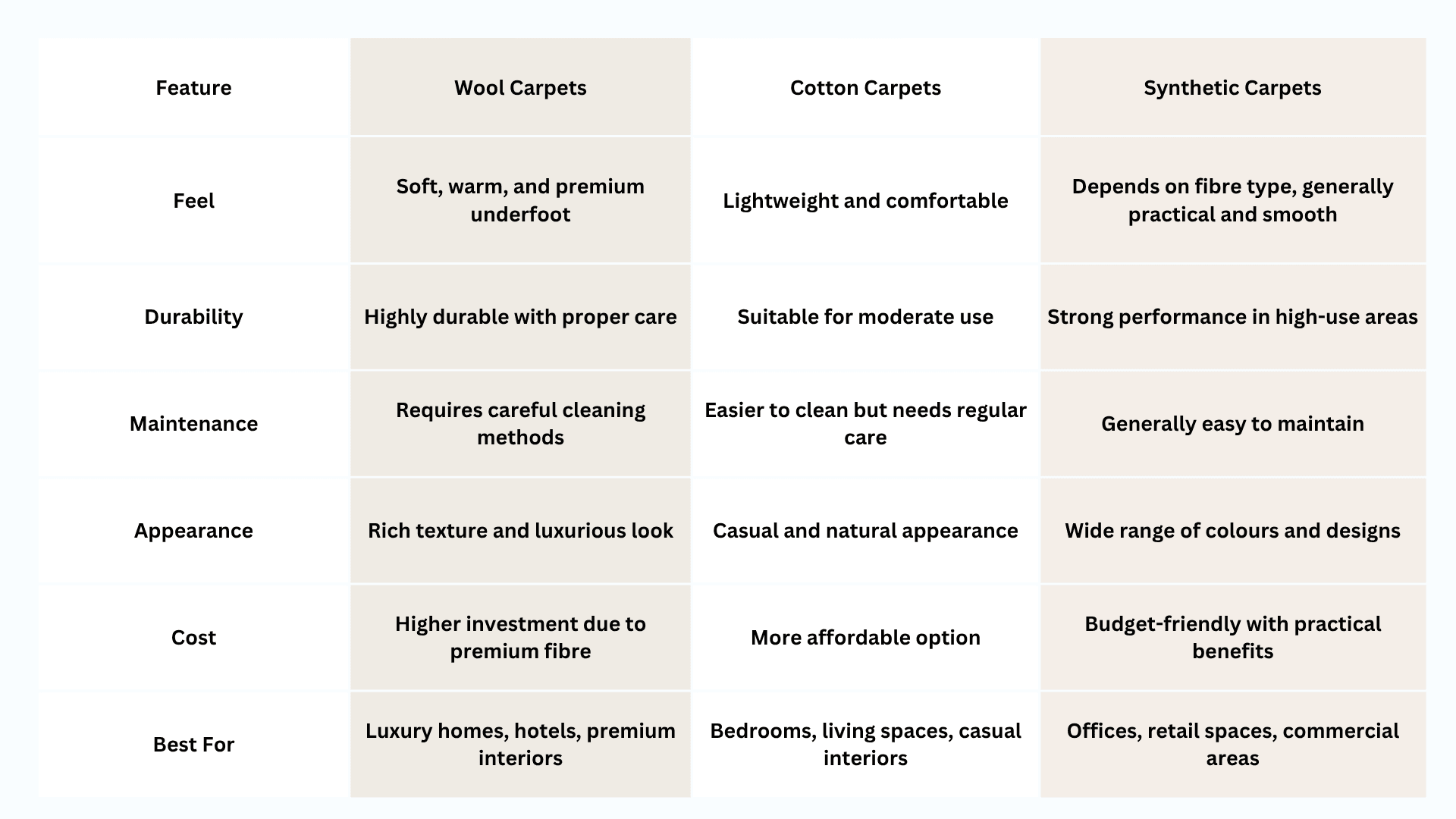
There is no single material that works best for every situation. Wool offers a premium experience, cotton brings softness and versatility, while synthetic carpets provide practical performance for demanding environments. Understanding your space, usage requirements, and maintenance expectations will help you select a carpet material that delivers better value in the long run.
Which Carpet Material Works Best For Different Spaces?
The ideal carpet material changes depending on where it will be installed. A residential bedroom, a hotel corridor, and a busy showroom all have different requirements.
Carpets For Homes
Homes usually require carpets that provide comfort, warmth, and a pleasant appearance. Wool carpets work well in premium living rooms and bedrooms where luxury and long-term value are important.
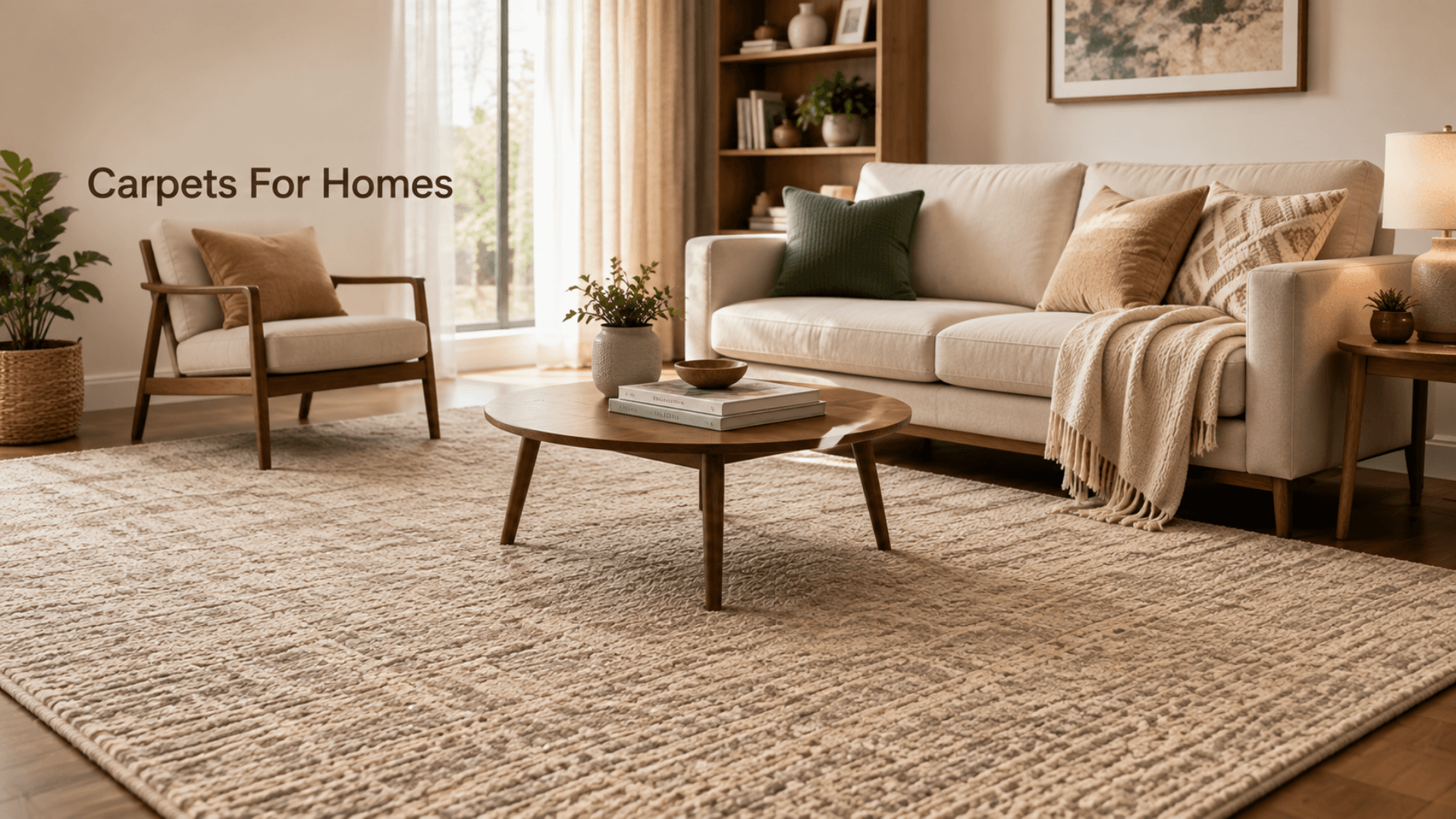
Cotton carpets are also suitable for relaxed interiors because they offer softness and a lighter feel. Synthetic options can be considered for homes where easy cleaning and affordability are priorities.
Carpets For Hotels And Hospitality Spaces
Hotels need carpets that create a premium impression while handling regular guest movement. Wool is often preferred for luxury areas such as suites, lounges, and boutique properties because of its elegant appearance and durability.

For areas with higher traffic, synthetic carpets can offer practical advantages due to their easier maintenance and resistance to frequent use.
Carpets For Offices And Commercial Areas
Commercial spaces require carpets that can maintain their appearance despite daily activity. Synthetic carpets are often preferred in these environments because they provide durability, easy cleaning, and cost efficiency.
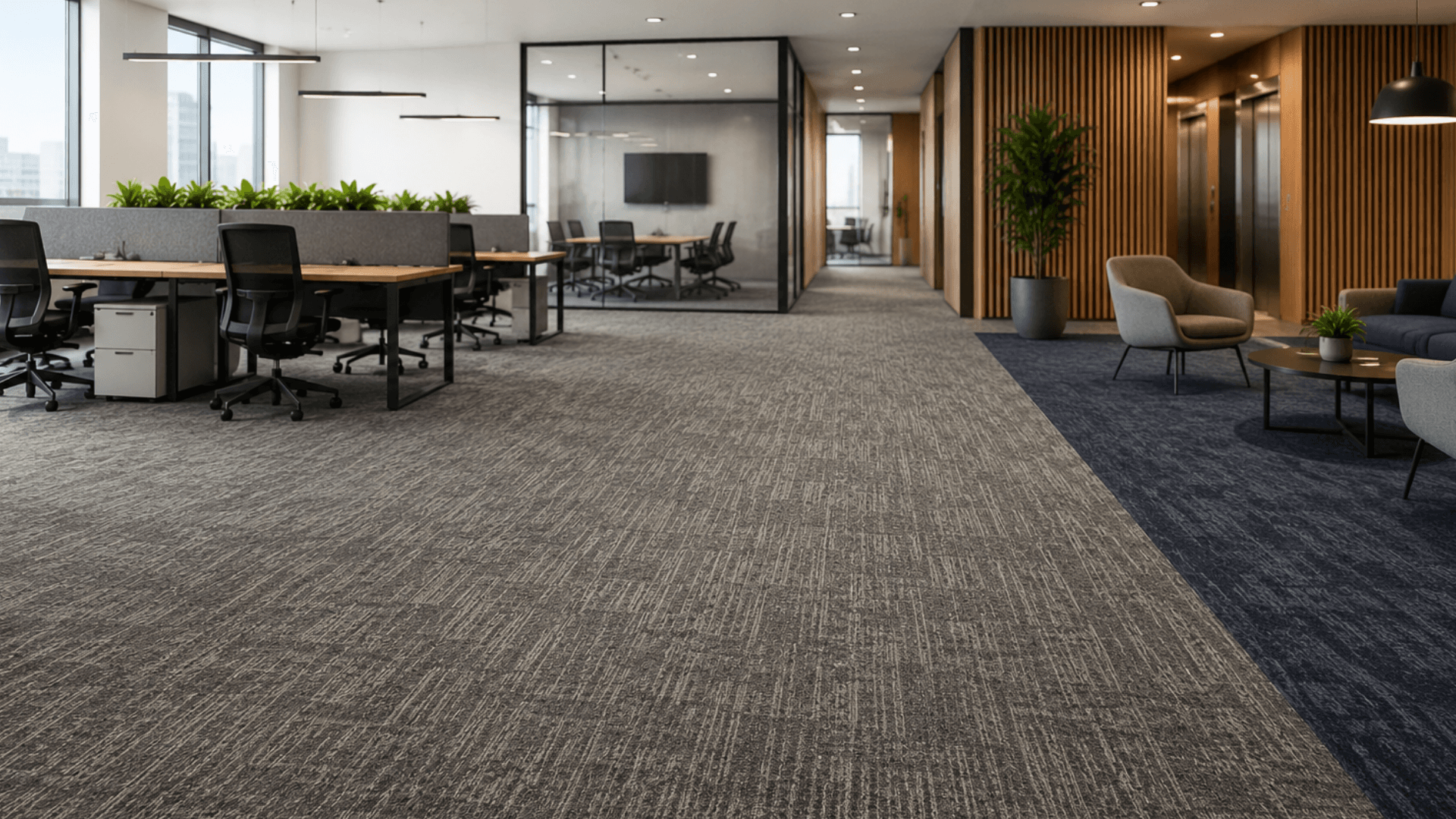
However, premium offices and executive spaces may use wool carpets to create a more sophisticated atmosphere.
Carpets For Retail Stores And Showrooms
Retail spaces need carpets that complement the overall shopping experience while handling regular customer movement. Synthetic materials can be a practical choice for larger areas, while premium sections may benefit from wool or blended options.
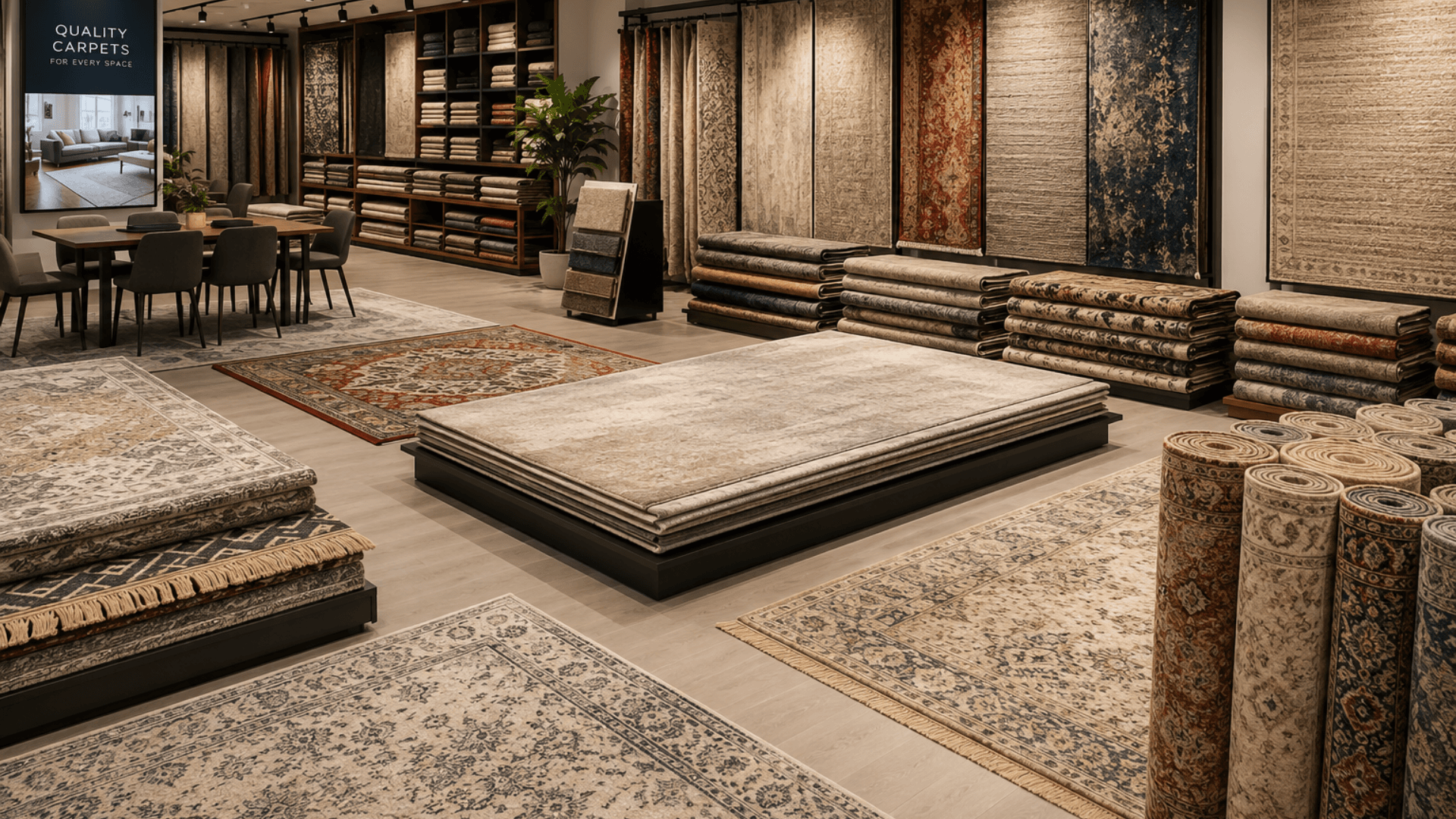
The best carpet material depends on balancing appearance, performance, and maintenance. Understanding the purpose of the space helps you invest in a carpet that continues to perform well after installation.
Factors To Consider Before Buying A Carpet
Buying a carpet is not only about selecting an attractive design. The right carpet should match the way you use your space and deliver value over time.
- Usage And Foot Traffic: Consider where the carpet will be installed and how frequently the area is used. Bedrooms and private spaces may require more comfort, while hotels, offices, and showrooms need materials that can handle regular movement.
- Maintenance Requirements: Every carpet material has different care needs. Before purchasing, consider how often the carpet will require cleaning and whether your space can support regular maintenance.
- Comfort And Appearance: The texture, softness, and overall look of a carpet influence the feel of your interior. Wool may offer a premium experience, cotton can provide a relaxed feel, and synthetic options can deliver practical performance.
- Budget And Long-Term Value: The initial cost is only one part of the decision. A carpet that lasts longer and maintains its appearance may offer better value compared to a cheaper option that requires frequent replacement.
- Space & Interior Style: The carpet should complement the overall design of your space. Consider colours, patterns, size, and texture to create an environment that feels balanced and welcoming.
- Manufacturer Experience: Working with an experienced carpet manufacturer can make a difference, especially for bulk orders or customised requirements. A skilled manufacturer can guide you on materials, designs, and production options tailored to your needs.
Conclusion
The best carpet is not always the most expensive one; it is the one that fits your space, lifestyle, and expectations. Wool, cotton, and synthetic carpets each bring different advantages, from luxury and comfort to durability and easy maintenance. Understanding the material, manufacturing process, and usage requirements can help you make a decision that delivers value for years. At KS Udayog, we create carpets and rugs for homes, businesses, and hospitality spaces. Explore our collection and get our catalogue today to discover materials, designs, and customised options suitable for your requirements.
Frequently Asked Questions (FAQs)
Which Carpet Material Is Best: Wool, Cotton, Or Synthetic?
The best carpet material depends on your requirements. Wool offers luxury and durability, cotton provides softness and versatility, while synthetic carpets are practical for high-use areas.
Are Wool Carpets Better Than Synthetic Carpets?
Wool carpets offer natural softness, warmth, and premium appeal, while synthetic carpets provide easier maintenance and affordability. The better option depends on the space and usage needs.
Which Carpet Material Is Suitable For Hotels?
Hotels often require carpets that combine durability, appearance, and easy maintenance. Wool is suitable for luxury areas, while synthetic options work well for high-traffic zones.
Are Cotton Carpets Durable For Everyday Use?
Yes. Cotton carpets are comfortable and versatile but are generally better suited for moderate-use areas rather than spaces with heavy daily traffic.
How Do I Select A Carpet For Commercial Spaces?
Consider foot traffic, maintenance needs, durability, design requirements, and the type of environment where the carpet will be installed before making a decision.
Which Carpet Material Is Easiest To Maintain?
Synthetic carpets are generally easier to maintain because they offer good resistance to stains and regular wear. However, proper care is required for every carpet type.